How Landscaping Can Make or Break a Home’s Curb Appeal
First impressions matter—especially in real estate, where they’re often formed before a buyer ever steps inside. Curb appeal, the visual attractiveness of a home from the street, plays a powerful role in shaping perception and value. At the heart of great curb appeal is one essential element: landscaping.
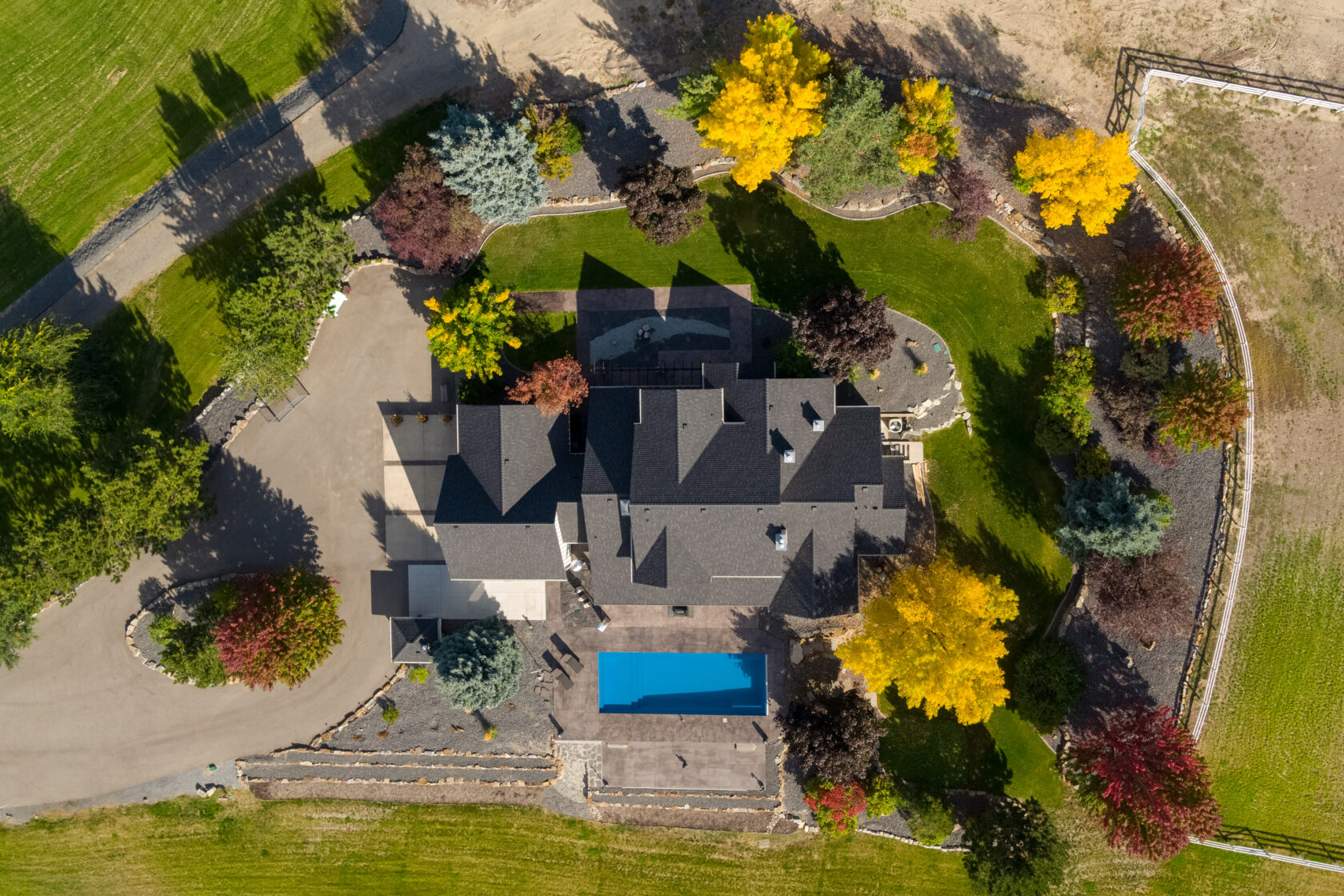
Landscaping sets the tone for what lies beyond the front door. A lush lawn, healthy trees, and thoughtfully planned plantings signal pride of ownership and attentive maintenance. Buyers naturally associate a well-kept exterior with a well-cared-for interior. On the other hand, overgrown shrubs, patchy grass, or dying plants raise red flags and can plant doubts before the showing even begins.
Strategic landscaping also highlights a home’s architectural features. Well-placed trees can soften harsh lines, while garden beds can draw attention to an inviting entryway or beautiful windows. Balance, scale, and symmetry create visual harmony, making a property feel more welcoming and complete.
Color and texture add warmth and character. Seasonal flowers, contrasting foliage, and fresh mulch can dramatically refresh a home’s appearance without a major investment. Simple upgrades like trimmed hedges or new planters often deliver outsized returns.
Functionality matters just as much as beauty. Clear pathways, proper drainage, and thoughtful lighting improve safety and livability, showing buyers that the home is as practical as it is attractive.
Poor landscaping, however, can quickly hurt value. Cluttered yards, oversized trees too close to the house, or high-maintenance designs can feel overwhelming and raise concerns.
In real estate, the exterior is the handshake before the conversation begins. When done right, landscaping doesn’t just enhance curb appeal—it helps sell the home.